
 Agroaldea
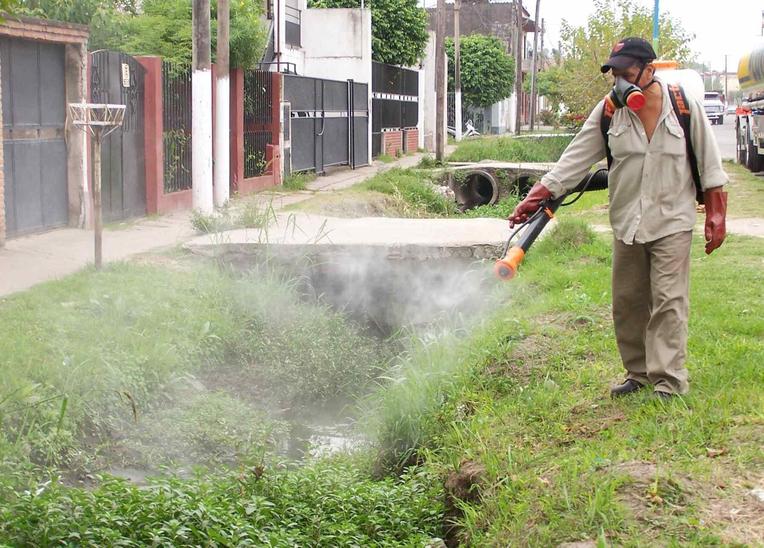 The Business Association for the Protection of Plants (Aepla) has issued a statement in which it responds to the International Agency for Research on Cancer (IARC), which has declared five pesticides as carcinogenic “possible” o “probable”.
In Aepla's statement it is stated that “There is no scientific certainty that confirms that these products can cause cancer.”, fact that he considers proven “by various studies on the health of farmers, the most exposed group” them.
Carlos Palomar, general director of Aepla, indicates that “The conclusions issued by the IARC contradict the most solid and strict regulatory systems worldwide”, among which are the European and the American, “under which products intended to protect crops are exhaustively reviewed, after multi-year trials that confirm that active substances such as Glyphosate and Malathion do not present carcinogenic risks to humans”.
Aepla defends that “Conclusions on an issue as important as human security must be based on scientific criteria established by internationally recognized standards, with which the IARC classification system is clearly not aligned, generating unnecessary concern in our society”.
The phytosanitary industry, is added in the statement, “will continue to work with our legislators to ensure that each approved phytosanitary product passes the appropriate control procedures, that guarantee their safety before being available on the market”.
Accusation of the World Health Organization
Aepla indicates that from the published report it can be stated that “The body dependent on the World Health Organization has issued its conclusions as a result of an incomplete data review, omitting key evidence”, considering from the Association for the Protection of Plants that “The classification is based on intrinsic properties of the active substances and limited epidemiological evidence.; when all the evidence and real use scenarios are considered, There is no scientific certainty that confirms that these products can cause cancer.”.
Furthermore, the Aepla statement insists that “This fact has already been clearly demonstrated by various studies carried out on the health of farmers., without a doubt the group most exposed to phytosanitary products, by working daily and directly in contact with them.
Like this, It has been confirmed that they are the ones who have a higher life expectancy and enjoy better health than the rest of the population.; The incidence and mortality caused by this disease is lower in agricultural populations than in the rest of society in all types of cancer., including leather”, concludes the Aepla statement.