
 Agroaldea
IF IT HAD NOT EXISTED, TODAY AGRICULTURE WOULD NOT BE AS WE KNOW IT.
 In october 1908 German chemist Fritz Haber registered a patent for ammonia. Scientists knew this substance as the basic nutrient of plants, but its gaseous state prevented its use.
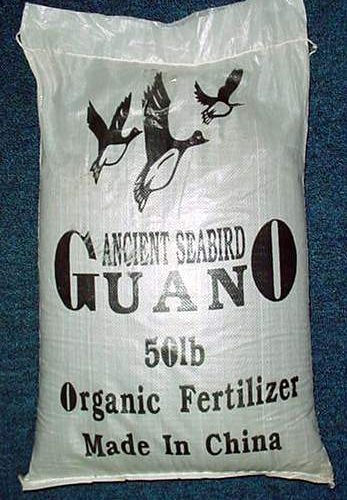
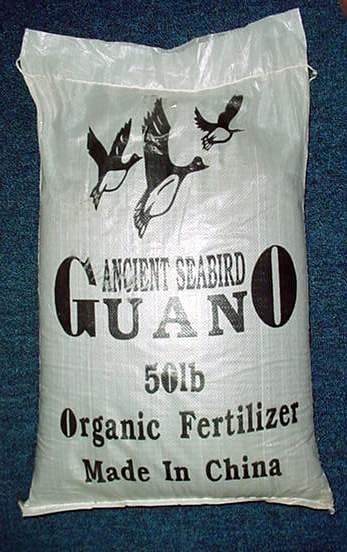
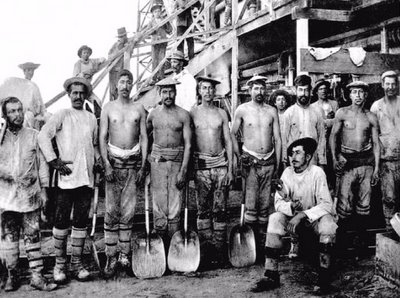
At the beginning of the 20th century, the only solid forms of nitrogen in the natural state were Peruvian guano and Chilean nitrate.. However, its production was not enough to satisfy the modern agricultural boom.
The formula for obtaining NH3 allowed Germany agricultural independence, at a time when world wars and the interwar period claimed many human lives through famine.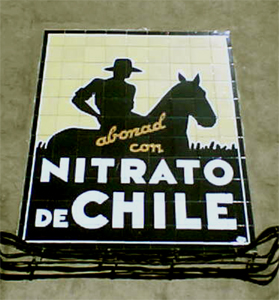
However, the darker side of ammonia was still brewing. The war application of the compound received more attention than its use as a fertilizer..
Another process converted ammonia to nitric acid., the base of explosives such as nitroglycerin or TNT. This version of the NH3 is directly related to the death of between 100 and 150 millions of people in the wars of the 20th century.
The great transformation that the NH3 produced in agriculture, allowed us to go from supporting one hectare of land to 1,9 people in 1908 to the 4,3 that the same hectare supports in 2008.
Currently, nitrogenous fertilizers are responsible for feeding the 48% of the world population and are produced 150 million metric tons per year, of which the 80% goes to feed farmland.
At the beginning of the 21st century, the abuse of NH3 is producing serious problems that attract the study of the scientific community.. only the 17% of the ammonia used as fertilizer is consumed by humans through food. The rest ends up on the ground or in the air..
The two problems that are attributed today to the substance that changed the course of humanity is, precisely, the one that can invest, once again the equation as it happened last century.
On the one hand, nitrates end up in seas and rivers, feeding excessively to algae and bacteria that consume the oxygen needed by other species. And on the other hand, reverses the ozone balance between the stratosphere and troposphere.