 Agroaldea
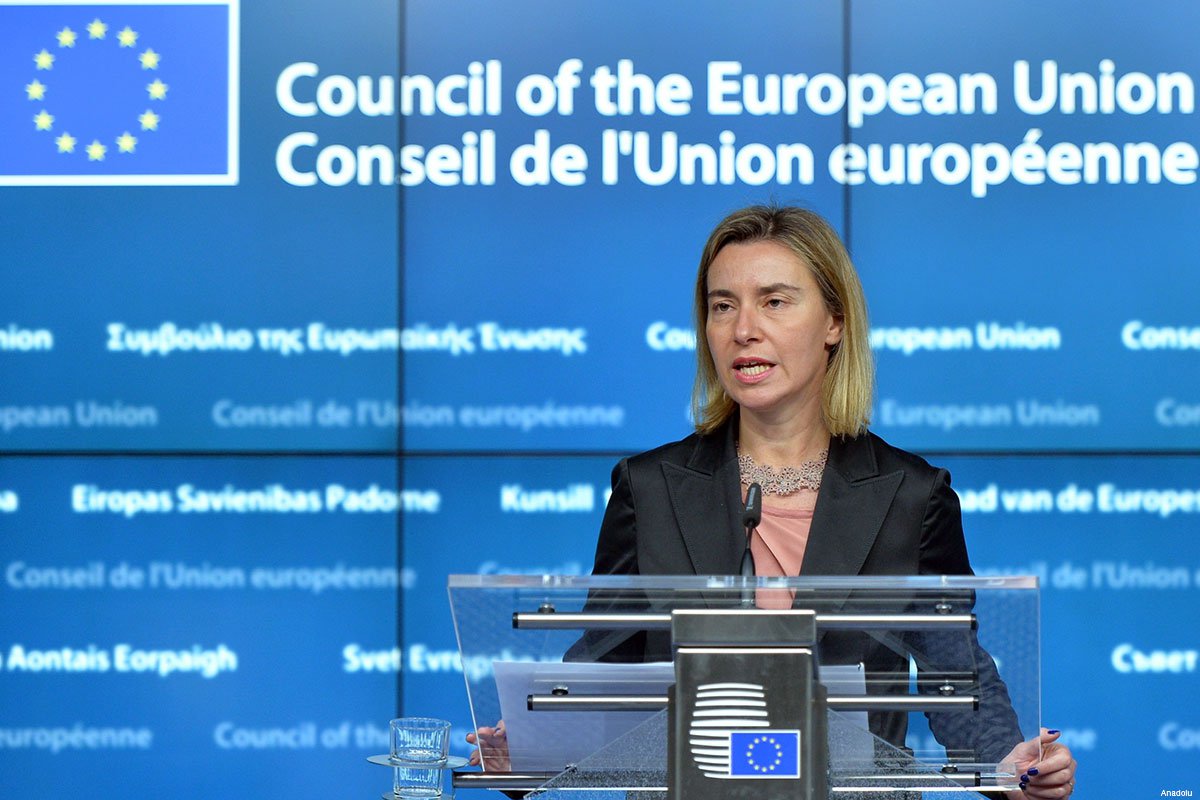 Following Morocco's decision to officially suspend its relations with the EU, It announces that it will maintain contacts with the Alawite authorities in the coming days.
Morocco's decision is due to discontent with the ruling by community judges against the bilateral agricultural agreement, which questioned Rabat's sovereignty over Western Sahara.
It was the past 10 December when The Court of Justice of the EU annulled the trade agreement on agricultural and fishery products signed in 2012. The judges ruled against the agreement for including Western Sahara in its terms, when it is a territory whose sovereignty is not internationally recognized.
Although the sentence was appealed, even by the EU Council of Ministers (representatives of the governments of the 28 countries), Morocco has expressed its “disappointment at the opaque management that certain Union services have given to this issue”, points out the declaration of the Maghreb country, in which he announced his freezing of relations.
In addition, Rabat has criticized the “high European authorities” for having initially shown a “promising” attitude., and then go to ““an unfair attitude that ignores due respect between partners”.
Morocco is the first beneficiary of financial aid from the so-called European neighborhood policy, with 200 million euros per year, It has an “advanced status” within its association agreement and is currently negotiating an ambitious “complete and deep free trade” treaty..
But also, It is frequently described as an “unavoidable partner” of the EU and its countries separately in two of the most sensitive matters of recent years.: the fight against jihadism and the control of external borders (specifically the Spanish ones) of the Union.
The EU has assured that it will evaluate the implications of the Moroccan decision, although he has expressed his desire to reestablish ties and cooperation as soon as possible.
The spokesperson for the EU External Action Service, Catherine Ray, defended the attitude adopted by the EU towards this ruling, since it has “reacted quickly” with an appeal that was presented this month by “unanimity” of the Member States against the ruling of the Community Court.
The high court of Luxembourg partially annulled the trade agreement on agricultural and fishery products between the Twenty-Eight and Morocco only in the aspects that affect Western Sahara, stating that the EU did not verify whether the exploitation of resources had an impact on the population of that territory.
Brussels considers that after the ruling there have been “numerous contacts at all levels” between the EU and Morocco, and Rabat was “fully informed throughout the process”, within what the Union could do taking into account certain legal limitations.
In this spirit, Ray, spokesperson for the head of European diplomacy, Federica Mogherini, He noted that the “EU will remain in contact with the Moroccan authorities in the coming days”.