 Agroaldea
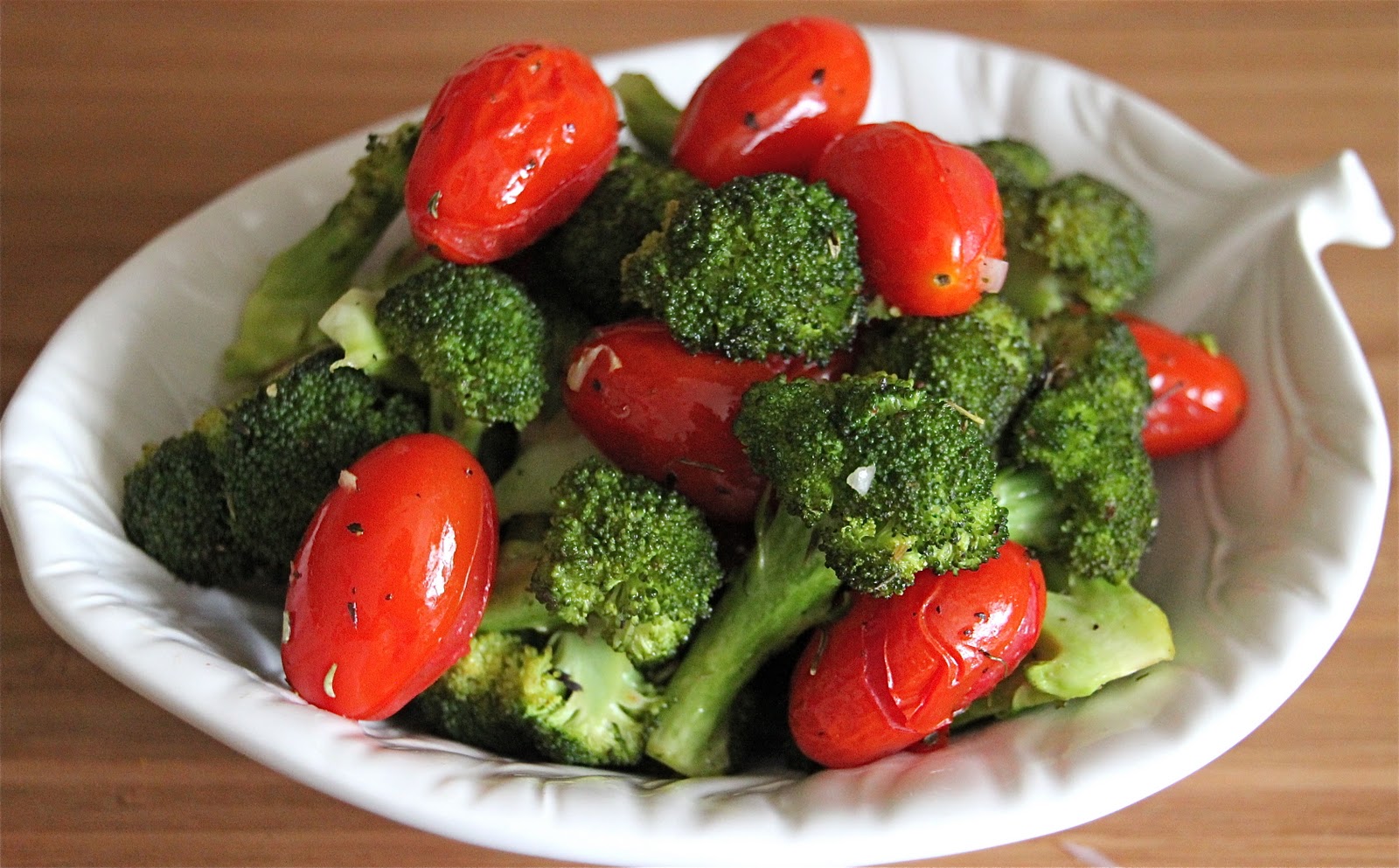 Two patents about broccoli and tomato have caused the concern of European producers.
The detractors argue that the special characteristics were not invented, They were in the mother plant.
Like this, The Agricultural Professional Organizations Committee, Cup and the General Confederation of Agricultural Cooperatives in the European Union, COGECA, They have warned against the use of patents in the EU agriculture sector in a seminar held on patents and obtaining rights in Brussels, pointing out that this bet will result in less products and additional costs and costs.
Also, The concern of the last two patents has been emphasized, About broccoli and tomato, that are not the result of artificial research, but only power natural characteristics that were already in those products.
In your speech at the event, The president of the Copa-Cogeca de Semillas working group, Thor Kofoed, It was very clear when pointing out that “A patent system in the EU agriculture sector will not help farmers to obtain a better variety of crops adapted to local conditions. Instead, It will lead to less products and less varieties and additional costs”.
In this line, Thor Kofoed said that in Cup and the COGECA are “very concerned about increasing the number of patents granted to plants ".
Kofoed, He referred to the recent decision of the Resource Chamber of the European Patent Office (OEP), that recognizes two patents: One of a British broccoli company that contains a bitter anti-Cancer substance, And another from an Israeli company of ‘wrinkled’ tomatoes that have reduced water content.
But the Cop-Cogeca warns that the specific characteristics of these broccoli and tomato plants were not invented or artificially manufactured. “They were present in the wild mother plants and are the result of crossing and selection practices, which are essentially biological processes”.
For this reason, The Copa-Cogeca is very “concerned that this decision extends the scope of the patent to all broccoli and tomato plants that have these characteristics. This protection means that all companies that produce varieties with the same characteristics will have to obtain a license from the head of the patent”.
For the European organization, “This is a risk for both farmers and society in general. Progress could be endangered in breeding, and reduce innovation and biodiversity, what has an impact on increasing consolidation in the seed industry. Given the high legal costs associated with patents, as well as high license transaction costs, Only a limited number of large companies manage to survive”.