
 Agroaldea
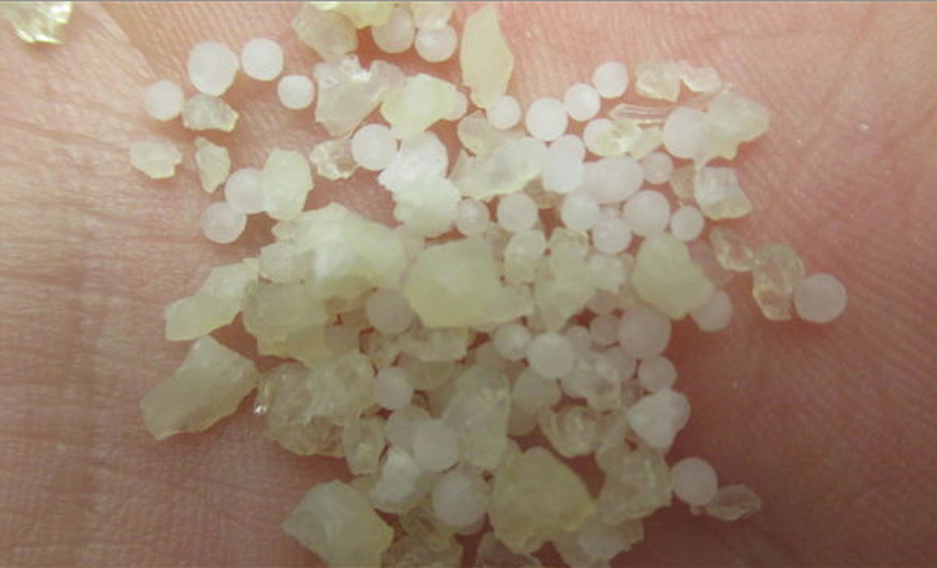 It is developed in Valencia and Extremadura within the framework of a European investigation.
The project aims to solve the pollution that chemical fertilizers produce on earth.
Her name is VICTORIA and, although it is still in the experimental phase, could revolutionize the world of fertilizers and agriculture due to its innovative composition and low environmental impact.
New Fertilizing Glasses for Tomato Cultivation Reducing Environmental Impact. That is the translation of this project funded by Norway, Islandia and Liechtenstein, within the framework of the European EEA Grants call and developed by two Spanish companies.
This is the Valencian ceramics and glass company, Torrecid, in charge of developing the fertilizer and the “San Isidro” Cooperative, by Miajadas, responsible for applying it to tomatoes experimentally.
The first receives technical support from the Institute of Ceramics and Glass IVC-CSIC and the second, of the National Agri-Food Technological Center Extremadura, CTAEX, located in Villafranco del Guadiana.
According to the CTAEX researcher, Rose of the Tower, responsible for the project in the Extremaduran part, The objective is to obtain a slow dissolving fertilizer, that does not contaminate, but that covers all the needs of tomato cultivation.
The VICTORIA project aims to solve an environmental problem, What is the pollution that chemical fertilizers produce in the land and tributaries where they end up?.
Rosa de la Torre is confident in the success of the project and that in addition to the three Nordic countries that have promoted it, other countries, including Spain, show interest in its dissemination and application.
Above all because of its low environmental impact, what, in your opinion, should also arouse the interest of chemical fertilizer companies. “They would be the ones that could be harmed the most.”, although they will have to adapt, innovate and reconvert”, adds the researcher.
“The Torrecid glass company is very innovative, has great capacity and is willing to revolutionize agriculture with the new fertilizer. If this works, “many things are going to change”, warns Rosa de la Torre.
Rehearsals have already begun at the San Isidro Cooperative. A farmer has lent one hectare of land for the experimental development of the project. Half a hectare has been fertilized with a conventional fertilizer and another half with the new product.
The person responsible for the project in San Isidro, Antonio Pablo Lozano, He believes that in a month and a half the agronomic differences between one plant and another will be able to be seen.. From now until the project is completed, Technicians from San Isidro and CTAEX will monitor the harvest.
Lozano also believes that multinational fertilizer companies will have no choice but to adapt “because the issue of fertilizers does not stop increasing and the benefits are very fair.. Multinationals are profitable due to sales volume, but if we modernize the field and cultivation more, we will have to be more exact regarding phytosanitary, fertilizers, agua…”