 Agroaldea
 THE MATERIAL OBTAINED WILL BE USED FOR VARIOUS COMPONENTS WITH GREAT RESISTANCE AND LIGHTWEIGHT.
The car manufacturer Ford and the American producer of tomatoes Heinz, investigate the use of tomato fiber to develop a more sustainable composite material in car construction.
As indicated by representatives of both companies, the dried skin of the tomato could become cables or boxes for coins and other small objects inside a vehicle. Ford researchers are testing the strength of the material.
 Ford already has eight materials in production in its "biologics" portfolio, such as coconut-based compounds and soy foam seats. The automaker has worked with Heinz, Coca Cola, Nike y Procter & Gamble to create plastics with a base 100% natural for packaging and other purposes, compared to those currently used from petroleum.
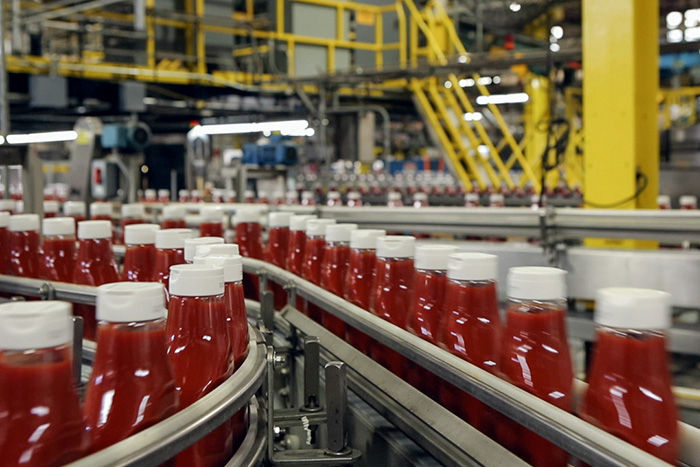
Heinz, on the other hand, has looked for ways to recycle the skins, the stems and seeds of the more than two million tons of tomatoes that he uses each year to produce the ketchup that bears his name.
According to Ford and Heinz, this project could be a breakthrough. "We are studying whether these derivatives of processed foods can be applied in a car", points out Ellen Lee, a Ford Plastics Research Technical Specialist. “Our goal is to develop a strong and lightweight material that meets the requirements of our vehicle., and at the same time have less impact on the environment”.
Ford began working with large multinationals such as Coca-Cola Co., Nike, Procter & Gamble or Heinz itself almost two years ago in order to accelerate the production of plant-based plastics, hoping that its increased use over petroleum-based materials will reduce the environmental impact of automobile production.