

 Agroaldea
THIS WAS CONCLUDED IN THE FIRST SESSION OF THE CONFERENCES ORGANIZED BY KOPPERT CANARIAS.
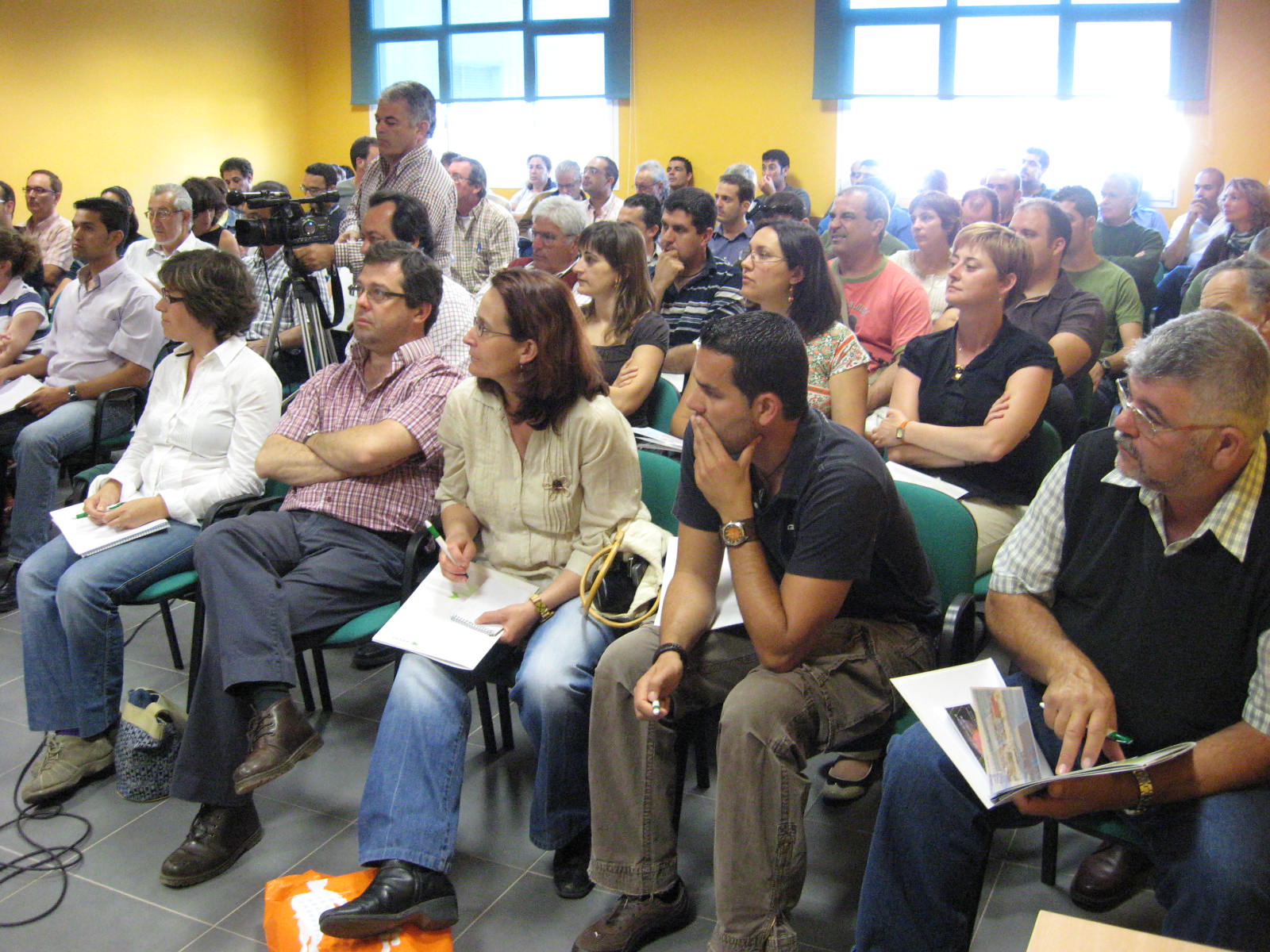 With a successful participation that exceeded one hundred attendees, the first session of the II Conference on Biological Pest Control, was dedicated exclusively to the new plague that affects, mainly, to tomato crops in Tenerife, Gran Canaria and Fuerteventura.
Among other matters, In this first session, the new legal framework and European regulations on phytosanitary products were addressed., which brings with it a significant recall of products.
 From the IVIA, Valencian Institute of Agrarian Research, Alberto Urbaneja presented the research work that, about the Tuta plague, have developed from their detection.
Urbaneja made reference to the visits he made to the crops in the south of Gran Canaria, in which a large infestation of tomato moth was found. However, Alberto Urbaneja acknowledged that the damages do not correspond to the high rate of individuals.
On the other hand, the GMR technique, Esperanza Fontenla, reported that the first reference there is to the plague in the Canary Islands is from the month of August 2008. This first outbreak was detected on the island of Tenerife and four months later it arrived in Gran Canaria.
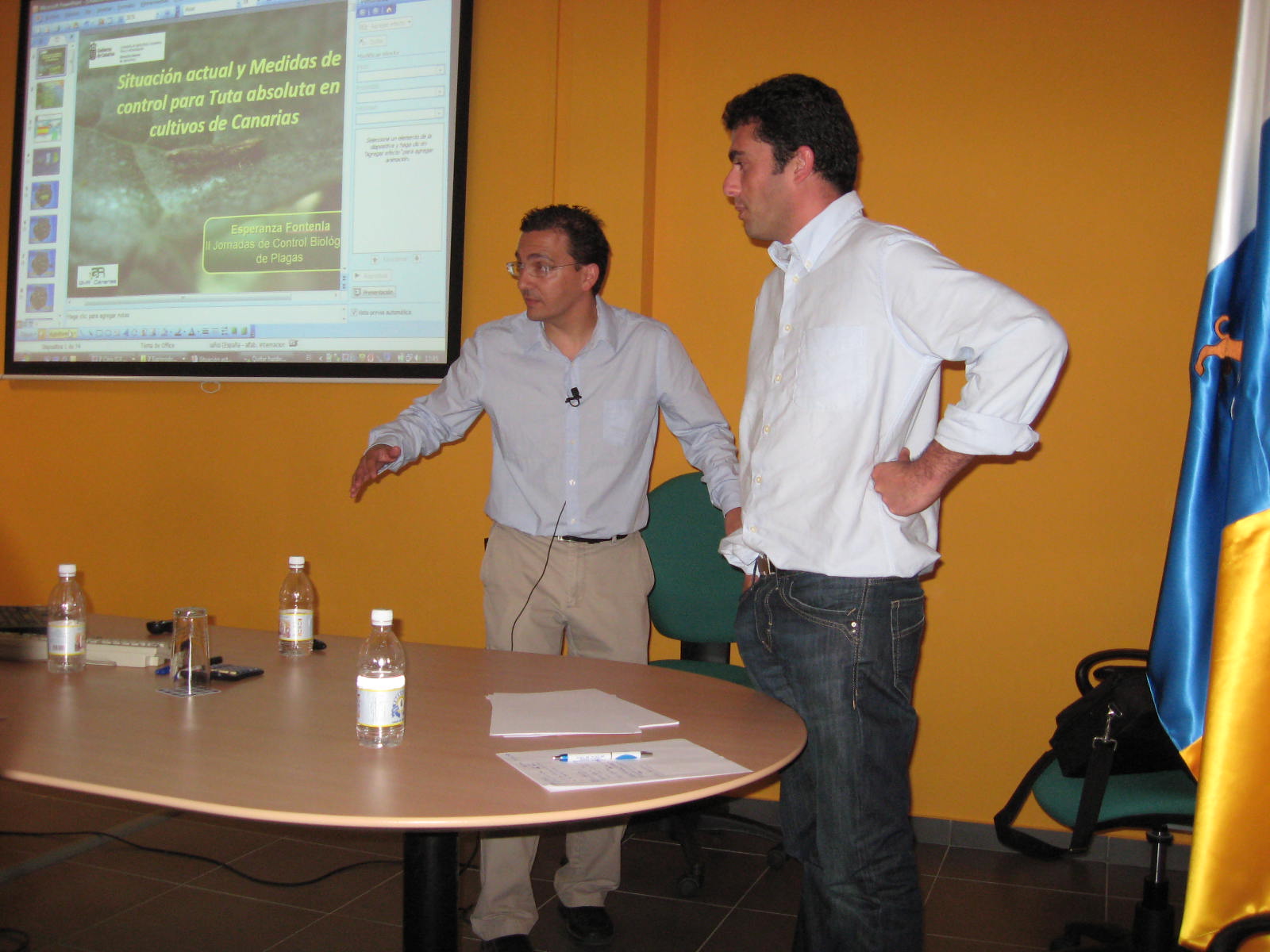 Fontenla specified that he arrived in La Aldea de San Nicolás last January and in Fuerteventura he arrived in April of this same year.. Regarding the incidence on crops, Esperanza indicated that this has been minimal, Between other reasons, because of the temperatures.
All the speakers who discussed the Tuta problem agreed that the key to its control is in cultural practices and the enclosures of the structures.. The complement, the fight integrated by the Nesidiocoris Tenuis, deeply rooted in the Canary Islands.
The sum and involvement of farmers, Technicians and Administrations are essential for the control of the tomato moth. For this reason, Technicians are optimistic if Integrated Control is applied.
This methodology of action is based on the execution of preventive measures, technological control, biological control and chemical control.