
 Agroaldea
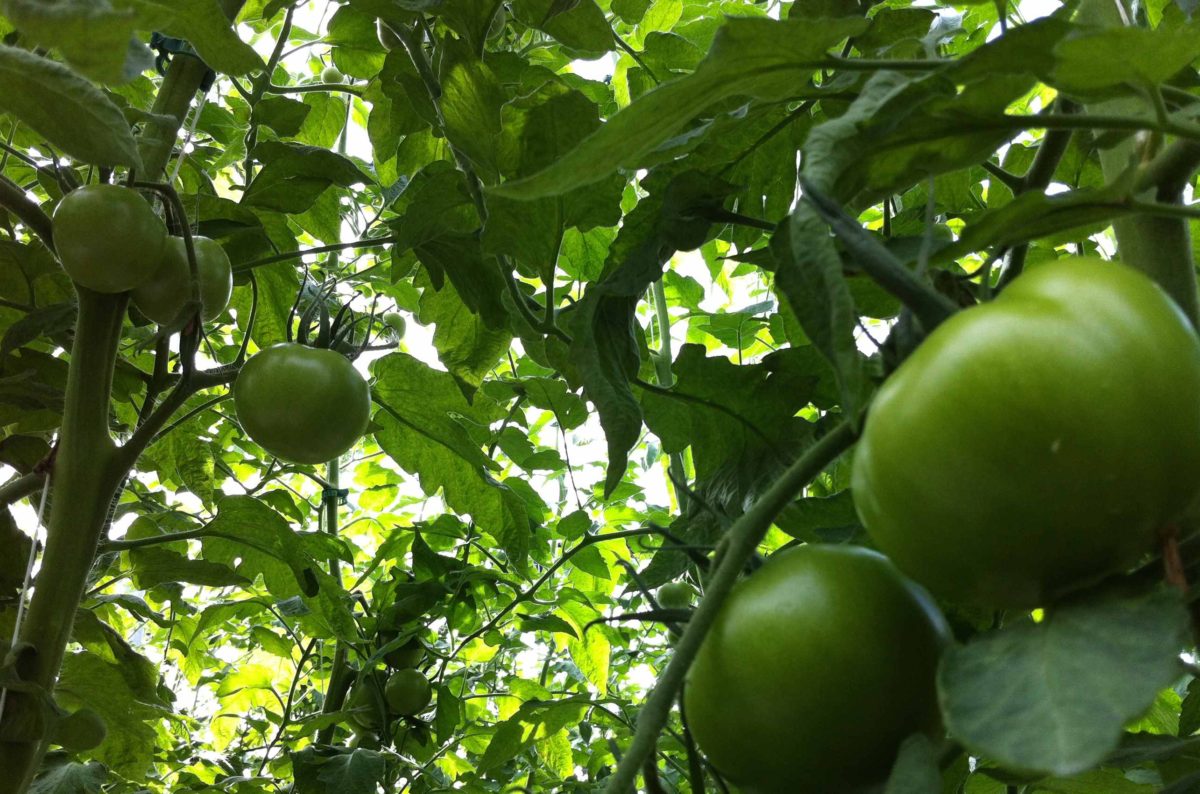 According to an article published in the 'Journal of Agricultural and Food Chemistry'.
A study of the University of Barcelona reveals that tomatoes from crops in which nitrogen fertilizers are not used, have a higher level of phenolic compounds than conventionally grown tomatoes.
The Research Group on Natural Antioxidants of the University of Barcelona (UB), directed by Rosa M. Lamuela, points out that during the processing of ketchups and juices, polyphenols (natural antioxidants of plant origin) decrease, Therefore, “It is necessary to verify that the origin of the differences observed in previous studies was in the tomatoes and not in the technology used in their industrial processing.”, explains Lamuela.
[quote]Polyphenols have great nutritional interest since their consumption has been associated with the prevention of cardiovascular diseases., degenerative and cancer.[/quote]
For this study, which has been published in Journal of Agricultural and Food Chemistry, The team has used the tomato variety Daniela and has determined its phenolic profile (organic molecules that are found naturally in many plants and that have a beneficial effect on human health) using liquid chromatography coupled to mass spectrometry. Thanks to this method, the UB group has been able to identify 34 different phenolic compounds in tomatoes.
“The advantage of taking polyphenols in natural foods is that the food contains a wide variety of these molecules and they enhance each other.”, explains the researcher who adds that this would be more beneficial for health than the administration of isolated phenolic components in supplement form.. As tomatoes also have lycopenes (plant pigment that provides the red color) and other carotenes and vitamin C, “They are like a package of beneficial compounds”, Lamuela says.
The differences observed between organic and conventional tomatoes are due to the fertilizer used.. “In the case of organic farming, nitrogen fertilizers cannot be added., which implies that plants have to create their own defense mechanisms and, thus, increase all antioxidants”, underlines Anna Vallverdú Queralt, first signatory of the article and researcher from the UB.
“The plant, the more stress you have, more polyphenols generated“, indicates Lamuela. Numerous scientific research indicates that the consumption of these antioxidants is healthy, But the researchers assure that there are still more clinical evidence studies needed to be able to say that organic products are really better for health than conventional ones.. The great challenge now for Lamuela would be to be able to carry out a study in humans comparing consumers of organic tomatoes with consumers of conventional tomatoes..
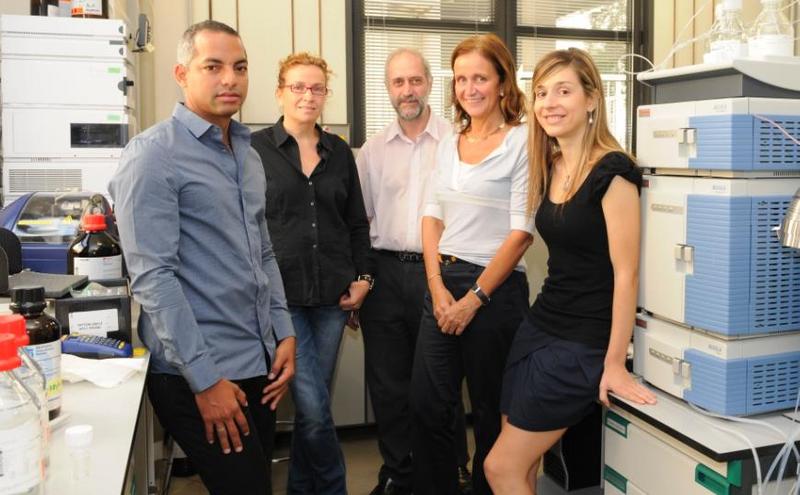 Researchers Olga Jáuregui also participated in this study., of the Scientific and Technological Centers of the UB (CCiTUB), and Alexander Medina Remón, that together with Rosa M. Lamuela and Anna Vallverdú Queralt, They are part of the Department of Nutrition and Bromatology of the UB, of the Reference Network in Food Technology of the Generalitat of Catalonia (XaRTA) and the Nutrition and Food Safety Research Institute (Insa-ub Insa-ub). The research group is also associated with the CIBER networks of Obesity and Nutrition Physiopathology (CIBERobn) y RETICS, of the Carlos III Health Institute.